Stand at any souk window and you will see the same necklace in three colours of yellow. That gradient is karat: the fraction of the alloy that is actually gold. Choosing between 22K, 21K and 18K is not about better or worse, it is about matching metallurgy to purpose. Here is the whole ladder, and which rung is yours.
The ladder, in numbers
24K is 99.9% pure, deep yellow, and soft enough to mark with a fingernail, which is why it lives at the investment counter as bars and coins rather than in the display window. 22K is 91.6% gold (stamped 916), the classic souk standard. 21K is 87.5% (stamped 875), the Gulf's own preference. 18K is 75% (stamped 750), the karat of European houses, stone-set work and daily-wear pieces. Price per gram follows purity almost linearly, today's per-karat figures are on the live rate page, so 18K buys you roughly 18% more grams per dirham than 22K.
22K: tradition, weight and bridal maths
South Asian bridal buying is a 22K world, and for rational reasons: the pieces are heavy, worn occasionally, and double as family stores of value. High purity means high metal recovery at resale, and the softness that would ruin a daily ring is irrelevant to a necklace worn eight times a year. If your purchase is dowry, gift-gold or festival buying, 22K is the default, and the one where making-charge negotiation matters most, because bridal sets carry the largest labour fees.
21K: the Gulf middle path
21K is the quiet local favourite, slightly harder than 22K, nearly as rich in colour, marginally cheaper per gram. Khaleeji designs, wide bangles, and much of the souk's Arabic-styled inventory is 875. For buyers torn between tradition and wearability it is a genuine compromise rather than a fudge.
18K: the karat you can actually live in
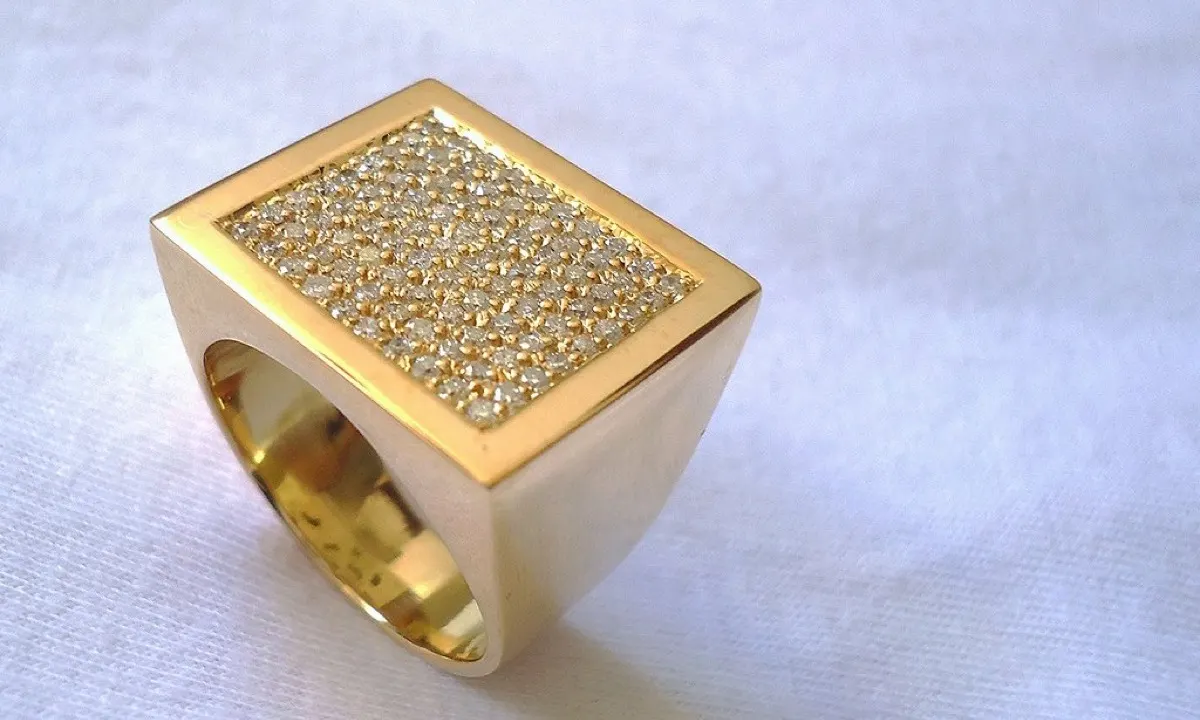
At 75% gold, the alloy is hard enough for prong settings, thin bands and clasps that survive gym bags. Every diamond-set piece worth having is 18K or lower for engineering reasons, soft gold lets stones loosen. Its paler yellow (or white, or rose, depending on the alloying metals) is a feature in contemporary design. If the piece will be worn weekly, 18K is not the budget choice, it is the correct one.
Colour, skin and climate
Higher karat means yellower metal; 18K's extra copper and silver read subtler against the skin. None of the standard alloys tarnish meaningfully in Gulf humidity, though 22K's softness shows polish-wear sooner. White 18K is rhodium-plated and will want re-plating every couple of years, a ten-minute job any souk workshop does.
Resale: the part everyone gets wrong
No karat "holds value" better in percentage terms, every karat resells at the live rate for its contained pure gold. What differs is what you paid above the metal: making charges. A plain 22K bangle bought at a negotiated AED 20 per gram making charge resells at a few percent below its metal value; an intricate 18K designer piece bought at 30% over metal resells at the same metal-only price, and the design premium evaporates. Buy design for love, weight for value. Verify any piece's stamp against our hallmark guide, weigh it, and run the numbers in the calculator before the counter does.
The one-line answers
Bridal and gifting: 22K. Gulf-style everyday-plus-occasion: 21K. Daily wear and anything with stones: 18K. Pure store of value: 24K bars from the investment counter, not the jewellery window. And whichever rung you choose, the metal is priced by the market, only the making charge is priced by the conversation.


