
Every dirham of knowledge you bring to the buy-back counter is a dirham the counter cannot keep. Selling old gold in Dubai is a fair transaction at a fair address, the emirate's dealers are licensed, tested and inspected, but the spread between an informed sale and a walk-in shrug is real money. Here is the informed version.
What your old gold is actually worth
One formula: weight × purity × the live rate, minus the dealer's margin. A 30-gram 22K chain contains 27.5 g of pure gold; at today's rate that is its ceiling, and a fair counter pays within a few percent of it. What never comes back is the making charge you paid at purchase, labour is consumed at the moment of crafting. Stones are worse: expect a fraction of their retail cost, or ask for the piece back unstoned.
Before you go: weigh, read, photograph
Weigh each piece on a kitchen scale (close enough to anchor you), read the hallmark, 916 is 22K, 875 is 21K, 750 is 18K, and pull the original invoices if they exist. Walk in knowing your metal grams and the morning rate, and the conversation starts from your number, not theirs. The calculator turns grams and karat into today's dirhams in one line.
The test, and your right to watch
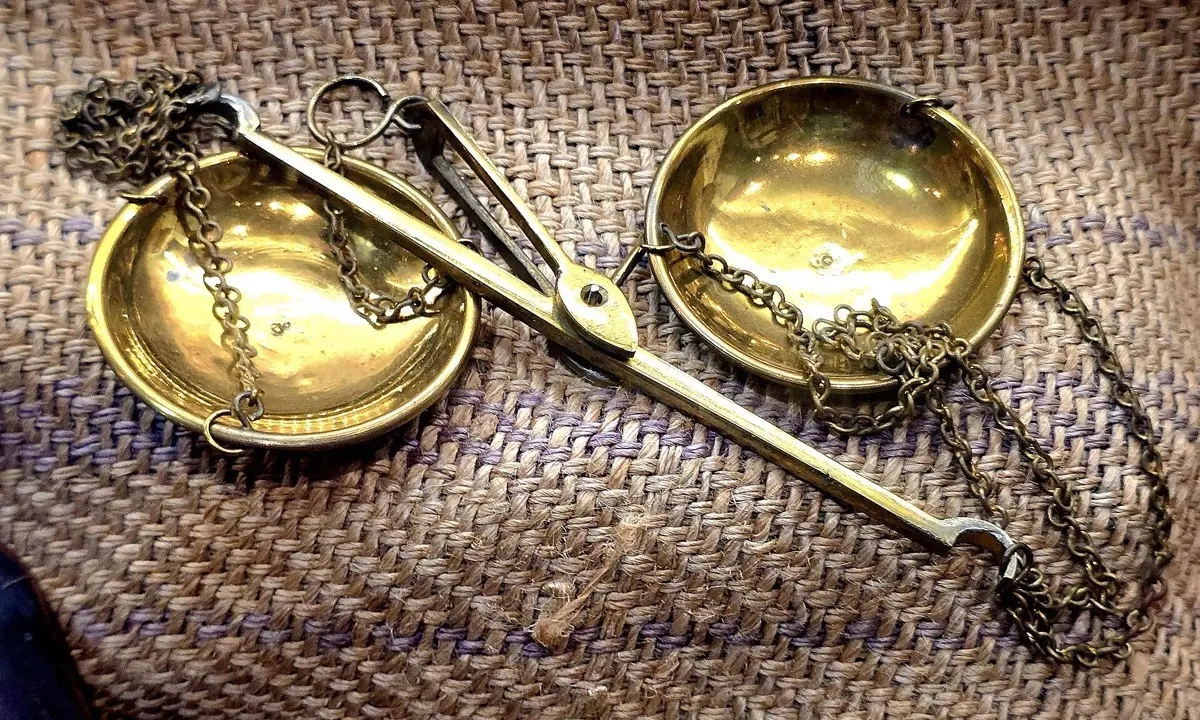
Reputable counters verify purity with an XRF gun, instant, non-destructive, reading displayed. Acid-and-touchstone persists at smaller shops and scratches the piece slightly. You are entitled to watch every test and every weighing on a visible, stamped scale; a counter that turns its back on either has selected itself out.
Cash sale versus exchange
If you are re-buying, exchange beats cash. The shop winning both sides of the trade will sharpen the old-gold price toward full metal value and simultaneously soften the new piece's making charge, two concessions in one negotiation. Settle the old-gold valuation FIRST, as its own number, before discussing the new piece; bundled "we'll adjust it all together" arithmetic is where sellers lose track. For a pure cash sale, quotes from two or three counters take twenty minutes in lanes this dense and routinely differ by 2 to 3%.
Rules that protect you
Licensed dealers transact against ID, record purchases, and pay larger sums by bank transfer under anti-money-laundering rules, friction that works in your favour, since it keeps the trade inside the inspected economy. Tourists sell as freely as residents. Stick to verified, licensed counters; the pavement "we buy gold" middlemen exist on precisely the spread the licence system eliminates.
Timing and the last percent
Sell into strength if you can wait, the rate page shows the 30-day path, and quiet weekday mornings get you the manager rather than the assistant, which matters on heirloom-sized lots. For inherited pieces with craftsmanship, ask one question before any melt quote: "as jewellery or as metal?" Occasionally a dealer resells fine old work intact and pays above melt for it. The difference is only ever offered to sellers who ask.


